Building a design studio together.
How two designers turned a partnership into Top Dogs, a multidisciplinary product design studio for startups, and what we learned about the problems behind the brief.
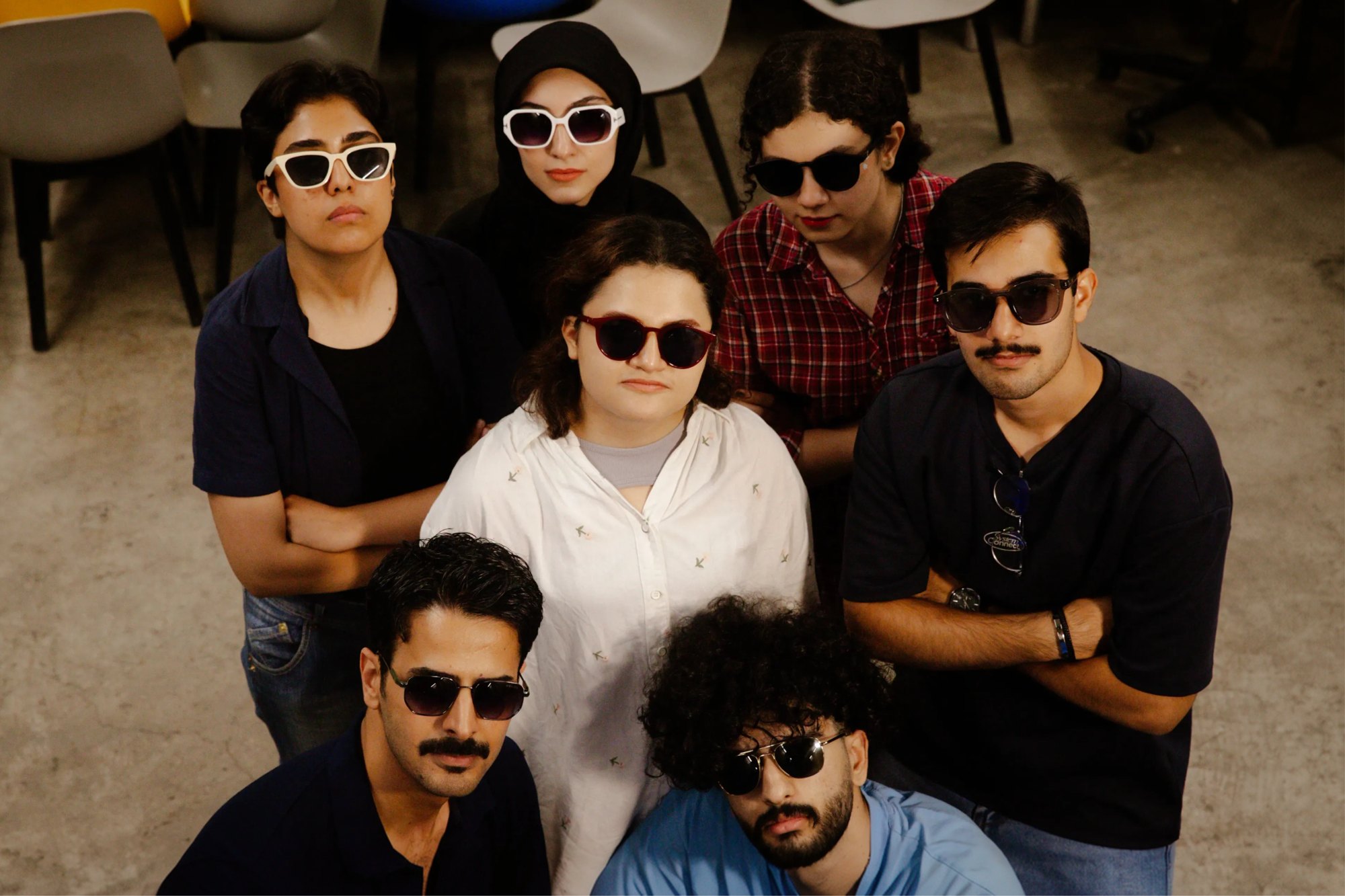
Two co-founders and designers, then a multidisciplinary team
Multidisciplinary product design for startups
12+ products · UK, Netherlands, Vietnam, UAE, Turkey, Iran
It started with two designers.
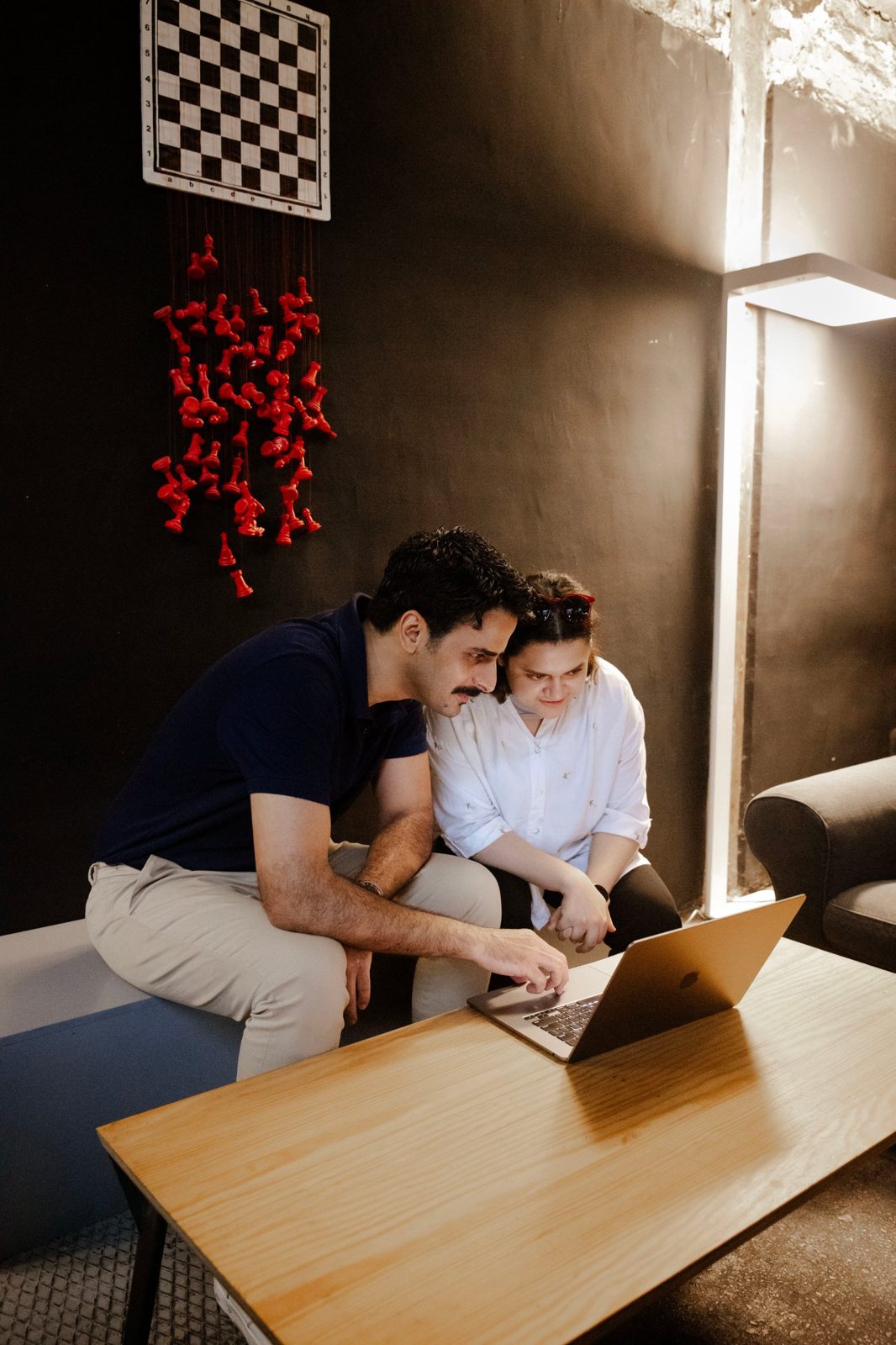
It began as an internship: one of us learning, the other a senior designer teaching. When the internship ended, we kept working together on independent projects.
For months it was just the two of us and the next project. Then we realised the partnership could become something more intentional: a small design studio.
- InternshipMentor and intern
- PartnershipTwo designers, shared projects
- Top DogsA studio, on purpose
Understand the problem before the solution.
Founders often came to us with the solution already decided: an app, a feature, a redesign. For startups with limited budget, time and engineering, building the wrong thing is expensive. So we designed how every project starts, and made discovery and scope part of what we offered, not paperwork before the design.
- {{s.n}}{{s.t}}{{s.d}}
Exploratory research
Understanding why businesses choose design studios.
We explored what businesses value when choosing a design partner and why they sometimes prefer working with a studio over hiring in-house.
- Design quality20%
- Understanding the business20%
- Communication and responsiveness20%
- Flexibility and support15%
- Delivery speed10%
- Accurate reporting10%
- Financial transparency5%
- A referral or someone we knew45%
- A project-based, one-off need33%
- Lower cost than hiring11%
- No specialist on the team11%
Different businesses need different kinds of design support. Understanding their constraints and goals matters more than assuming a studio is always the right answer.
Exploratory survey of 7 respondents and supporting research, published in our Persian-language article. Percentages are shares of all answers given. Findings are directional, not representative of the wider market.
Read the full research article (Persian) ↗
What we built.
As projects became more consistent, we grew from two designers into a multidisciplinary studio, working on more than twelve products for startups in six countries.
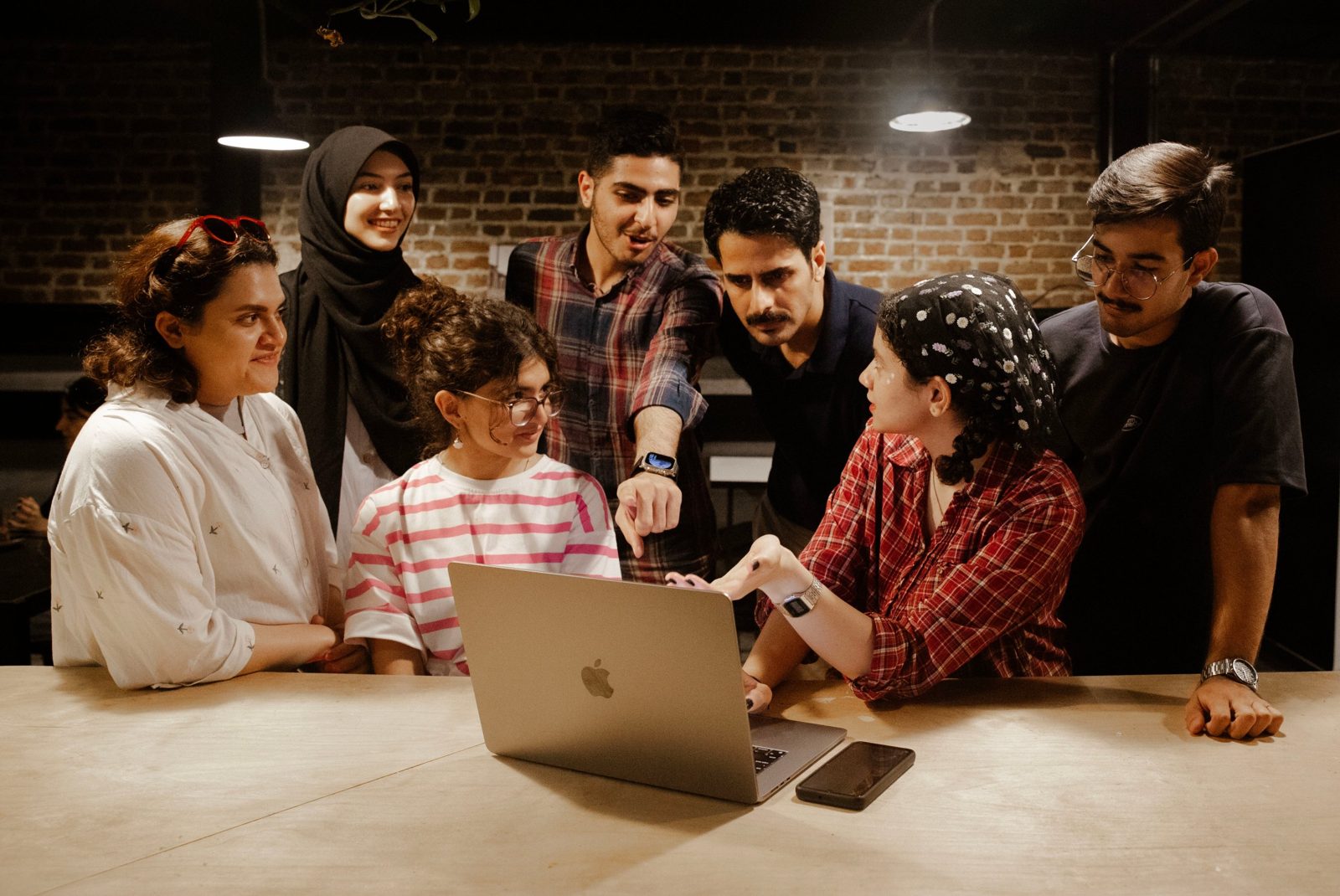
And 8 more
Building the team.
Everyone shared two short updates a week, by text or voice. We turned them into a monthly report for each person: achievements, challenges, unfinished tasks and room to grow. Then we celebrated the month together.
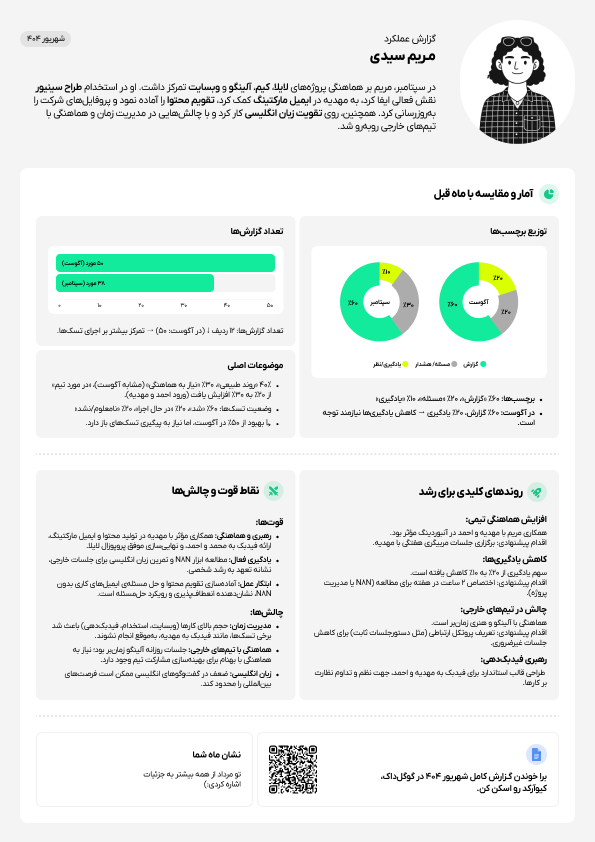
- 2 updates a weekText or voice, to one teammate who collected them
- A monthly reportOne page per person, compared with the month before
- A small celebrationFeedback shared in person, plus a badge of the month
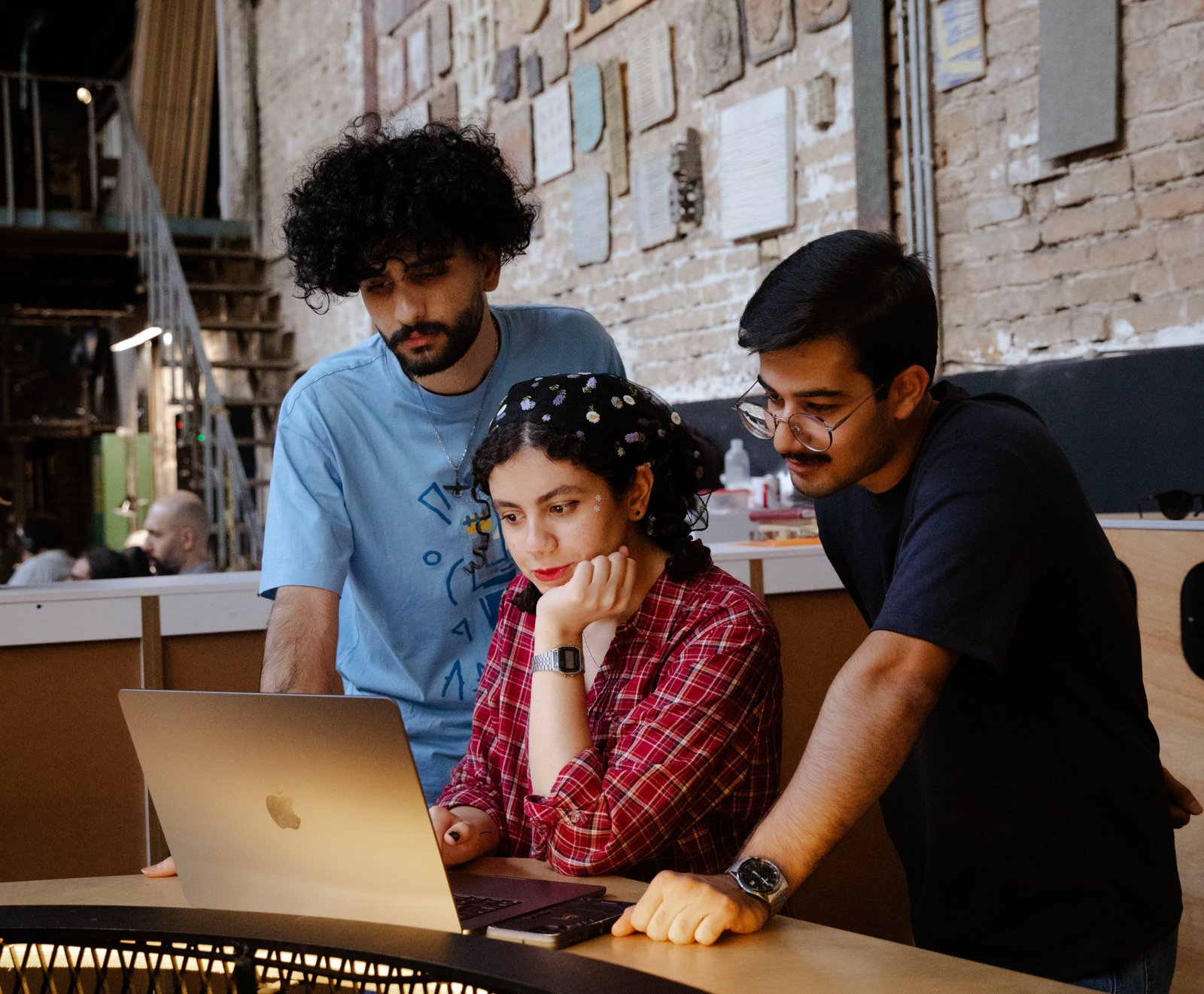
Not a customer interface, but the same job: making an experience clearer and more encouraging for the people inside it.
A client’s request isn’t always the client’s real problem.
Working with startups taught us a few things we still carry:
- Not every request is the underlying problem. A better question is often worth more than another screen.
- A good solution has to work within budget, timeline and technical reality, not just for users.
- Sometimes the right recommendation is a smaller scope or a different approach.
- Building a team means designing its internal experiences, too.